Insect Pest Control
Insect pest control involves the use of various tactics and methods to manage and eradicate unwanted insect populations that can harm crops, spread diseases, damage property, or cause nuisance to humans.
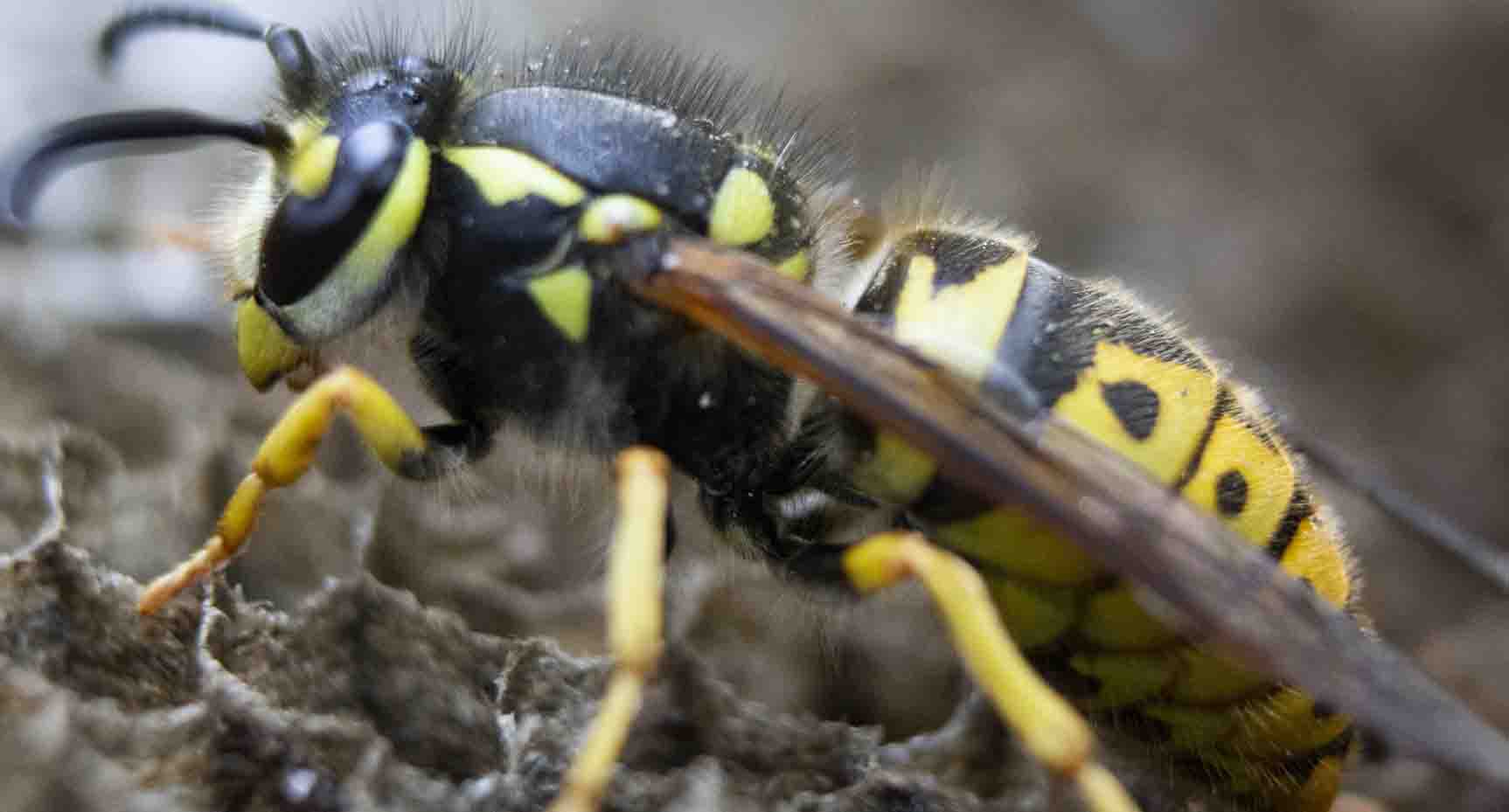
WASPS
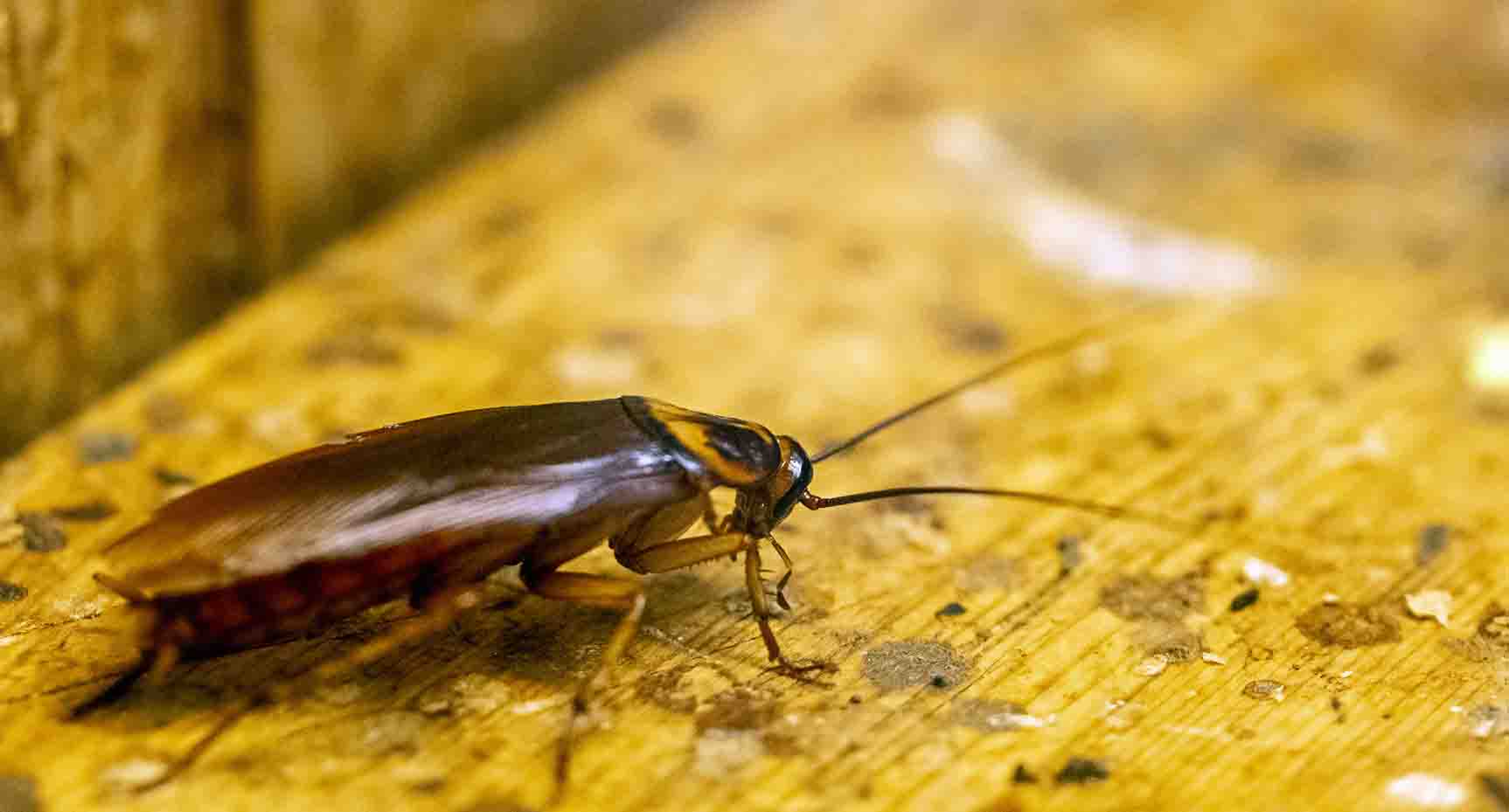
COCKROACHES
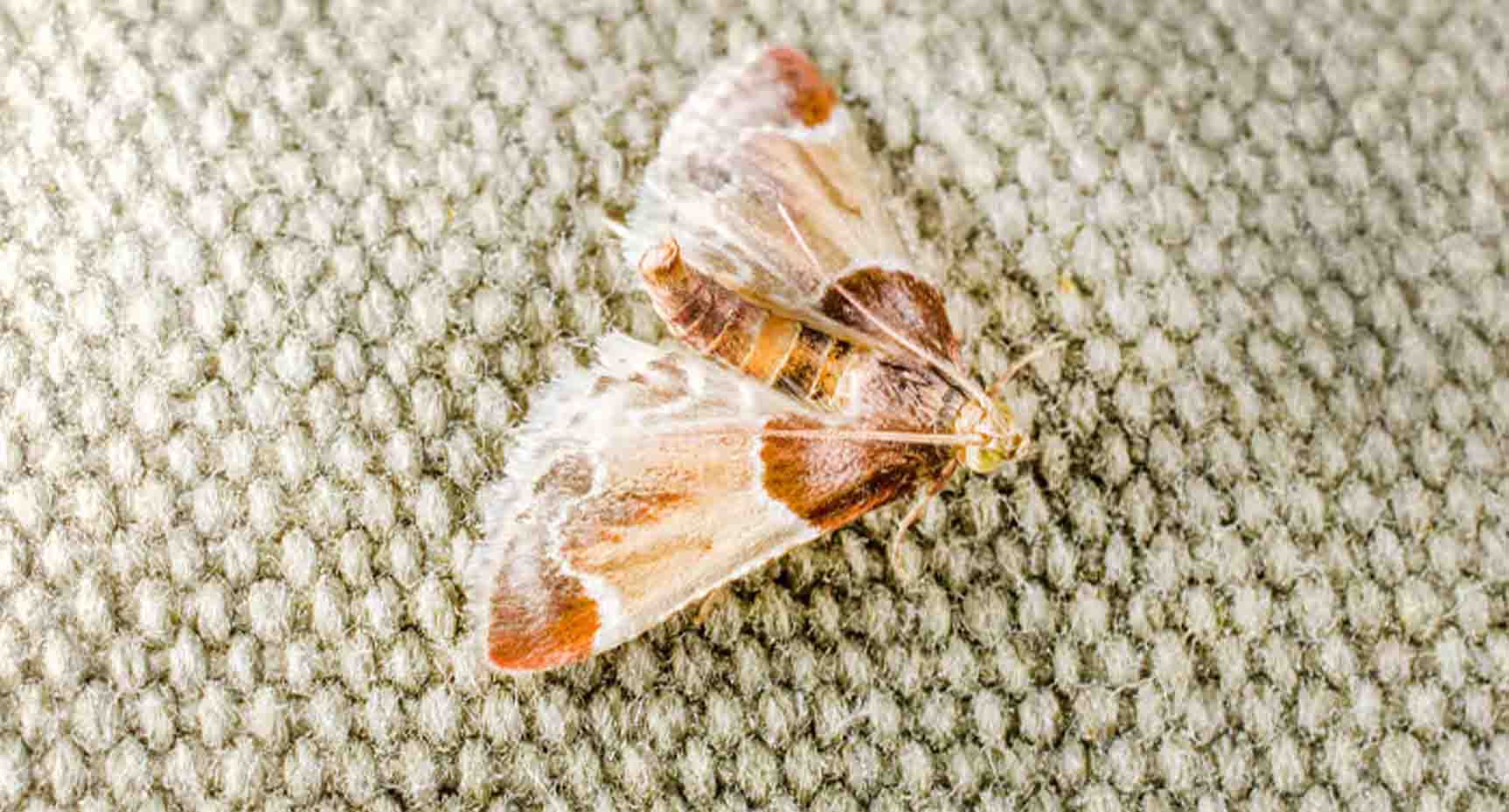
MOTHS
BEE REMOVAL
FLEAS
BEDBUGS
ANTS
FLIES
SILVERFISH
Wasps
WASPS & HORNETS : The summer brings out these pests. Nests can be found anywhere from sheds and attics to holes and old rat burrows in the ground. Stings can be nasty and can cause severe allergic reactions.
Allergic Reactions
Painful stings that can trigger severe allergic reactions in some individuals.
Aggressive Behaviour
Aggressive behavior when nests are disturbed leading to multiple stings
Property Damage
Property damage due to nesting in wall voids or attics
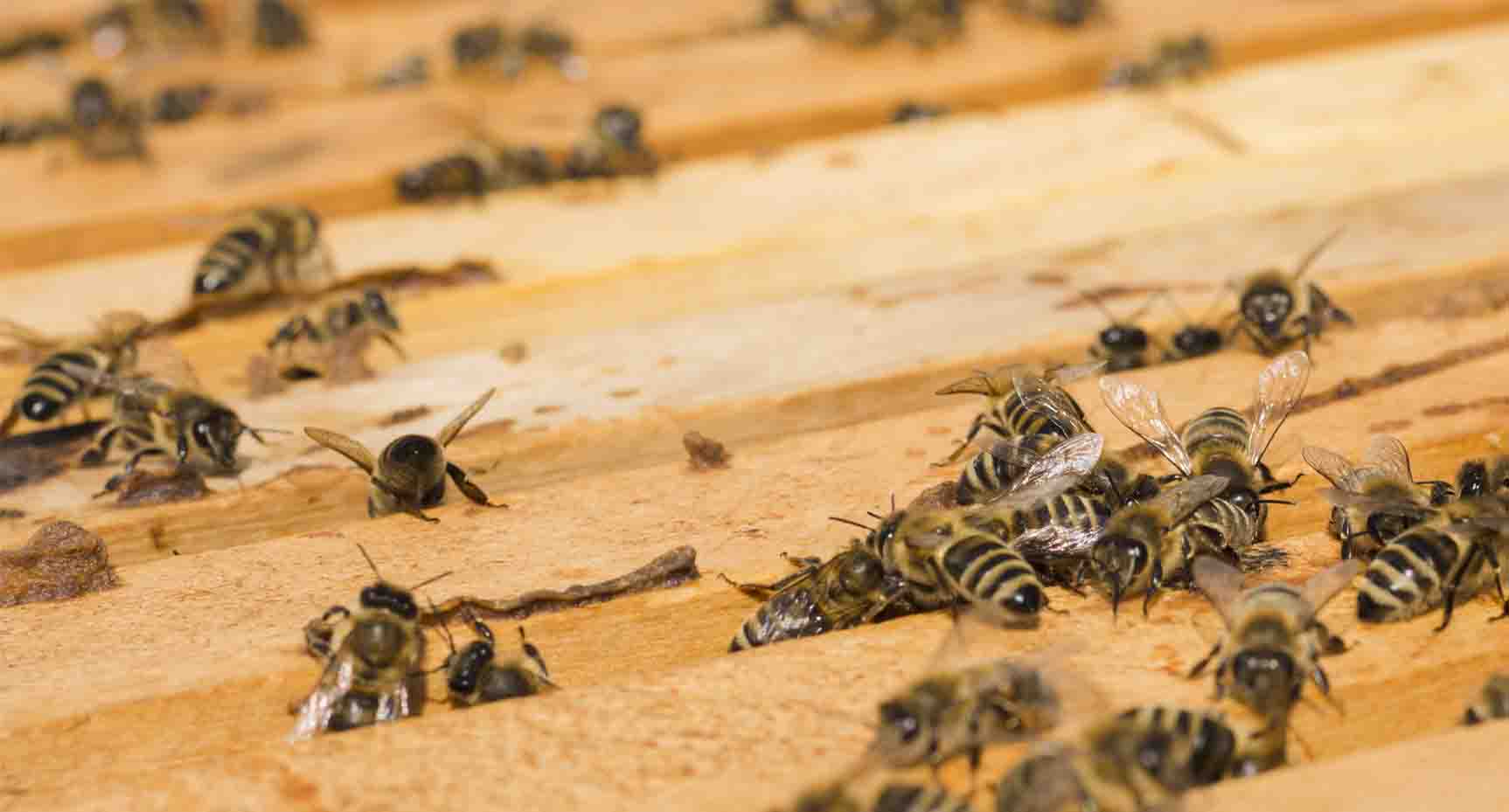
Bee Removal
While bees are vital pollinators and play a crucial role in ecosystems, their presence in large numbers near homes or structures can pose risks. Additionally, Addressing bee infestations requires careful removal by trained professionals to ensure the safety of both people and the bees themselves, as well as taking preventive measures to deter future infestations while respecting the importance of these pollinators in the environment.
Bee Stings
Bee stings can cause allergic reactions in some individuals, posing a health risk, especially to those with bee venom allergies.
Bee Colonies
Bee colonies can establish hives in wall voids, attics, or other enclosed spaces, leading to structural damage and potential safety hazards.
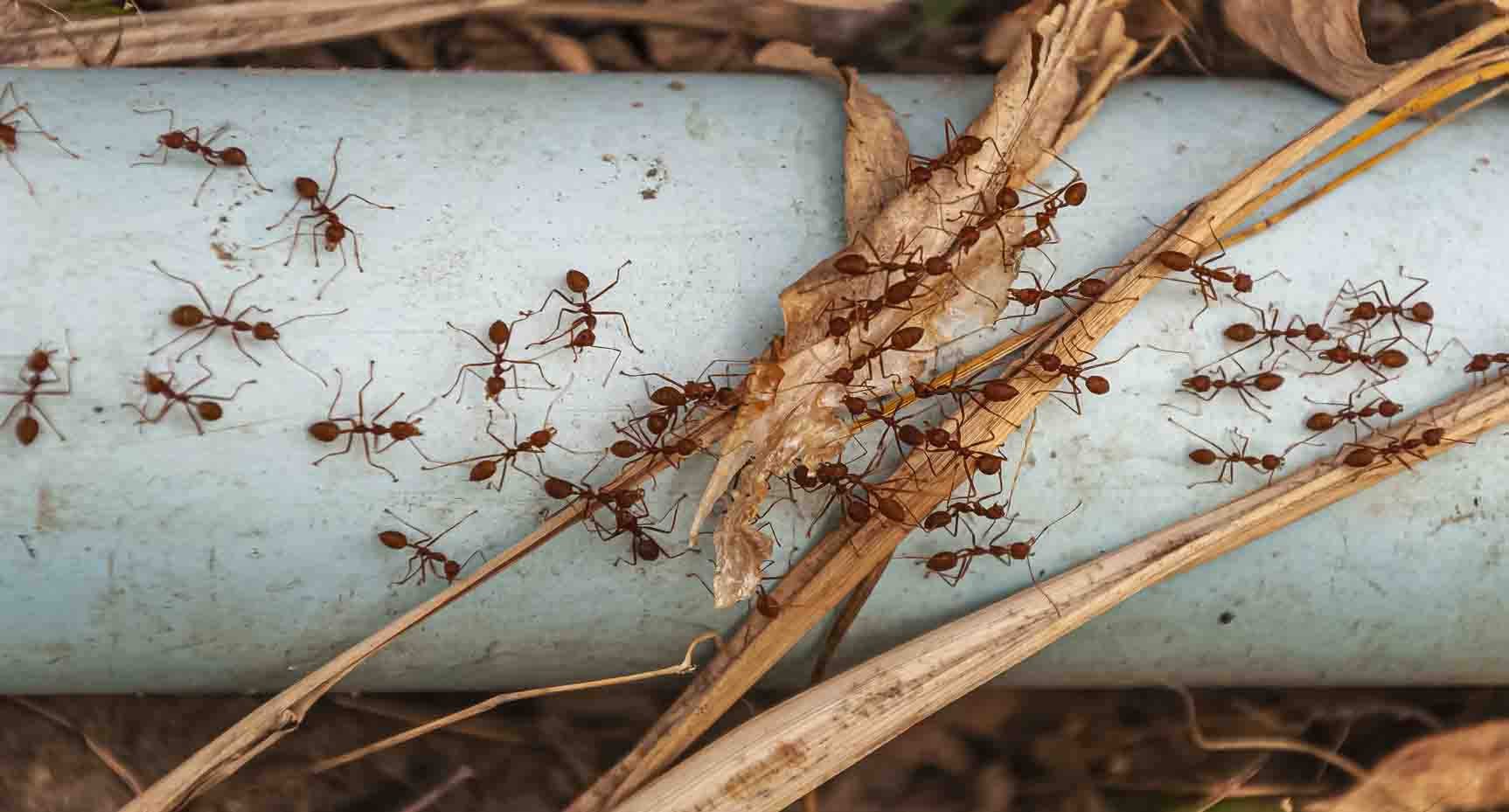
Ants
Ant infestations can be a persistent and challenging issue for homeowners and businesses. These social insects form colonies with intricate communication systems, making them highly adaptable and resilient pests. Effective ant control typically involves identifying entry points, eliminating food sources, and using targeted treatments to disrupt and eliminate the colony while implementing strategies to prevent future infestations.
Indoors
When ants establish nests indoors, they can contaminate food supplies, cause structural damage by tunneling through wood, and create unsightly ant trails throughout living spaces.
Carpenter Ants
Certain ant species, like carpenter ants, can compromise the integrity of wooden structures through their nesting habits.
Ants Are Challenging
Ant infestations can be particularly challenging to eradicate due to their large numbers, diverse species, and ability to quickly relocate nests.
Cockroaches
Cockroach infestations present serious health and hygiene concerns in residential and commercial settings. These resilient insects can quickly multiply and spread pathogens as they forage for food and shelter in kitchens, bathrooms, and other areas with access to moisture and warmth. Cockroach infestations often indicate underlying sanitation issues or entry points that need to be addressed to prevent their return.
Diseases
Cockroaches are known to carry and transmit various diseases, trigger allergies, and contaminate surfaces with their feces and shed skin.
Respiratory Issues
Their presence can lead to unpleasant odors, food contamination, and exacerbate respiratory issues.
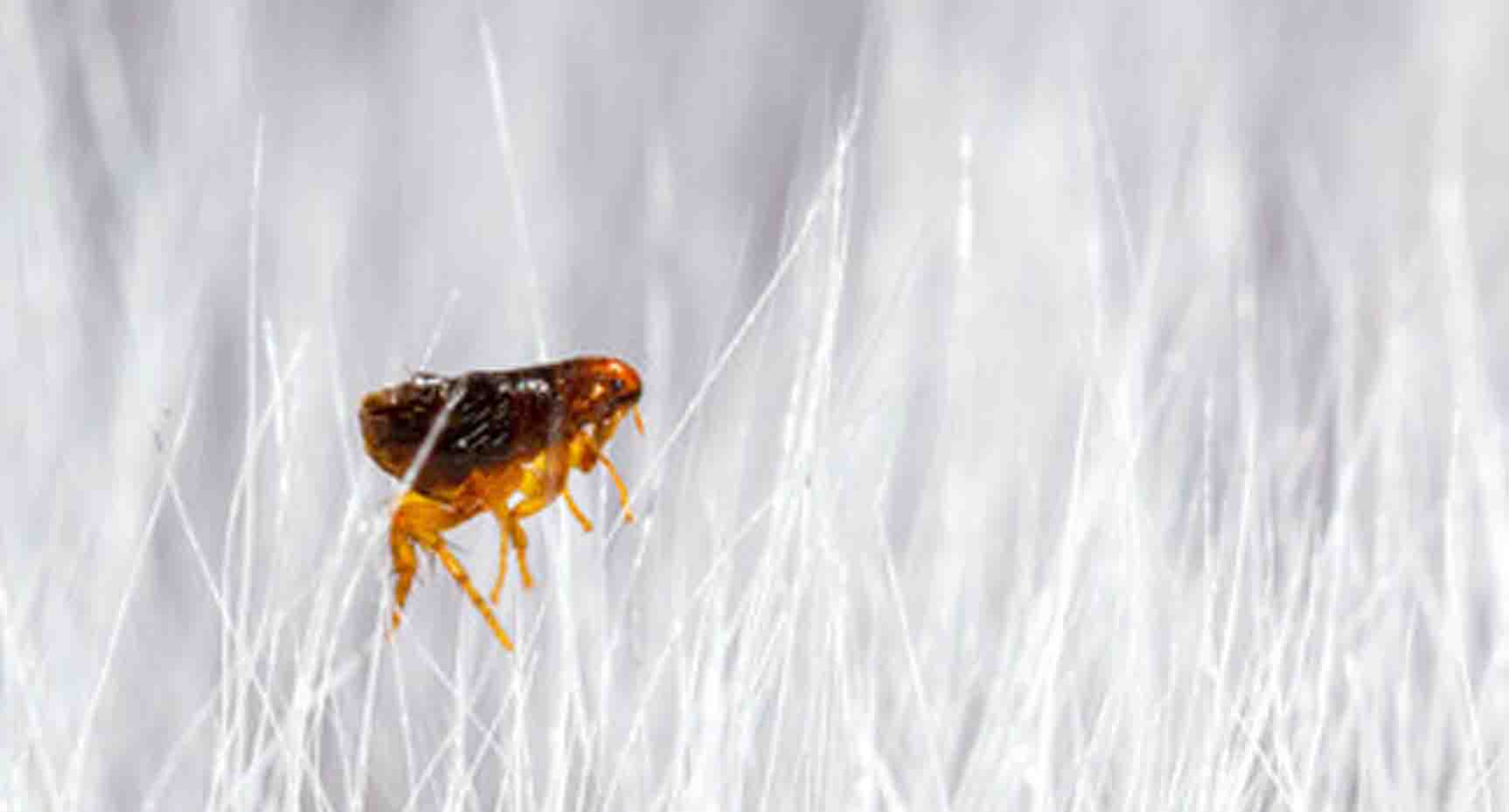
Fleas
Fleas are small, parasitic insects that feed on the blood of mammals and birds, causing discomfort and health issues for both pets and humans. Aside from the physical discomfort they bring, fleas can also be vectors for diseases such as Murine typhus and plague.
Flea Bites
Their bites can lead to skin irritation, allergic reactions, and secondary infections.
Pet Illnesses
Pets can suffer from flea allergy dermatitis, anemia, and transmit tapeworm infections through ingesting fleas.
Flea Infestation
Flea infestations can rapidly escalate, as these agile pests reproduce quickly and can lay hundreds of eggs in carpets, furniture, and bedding.
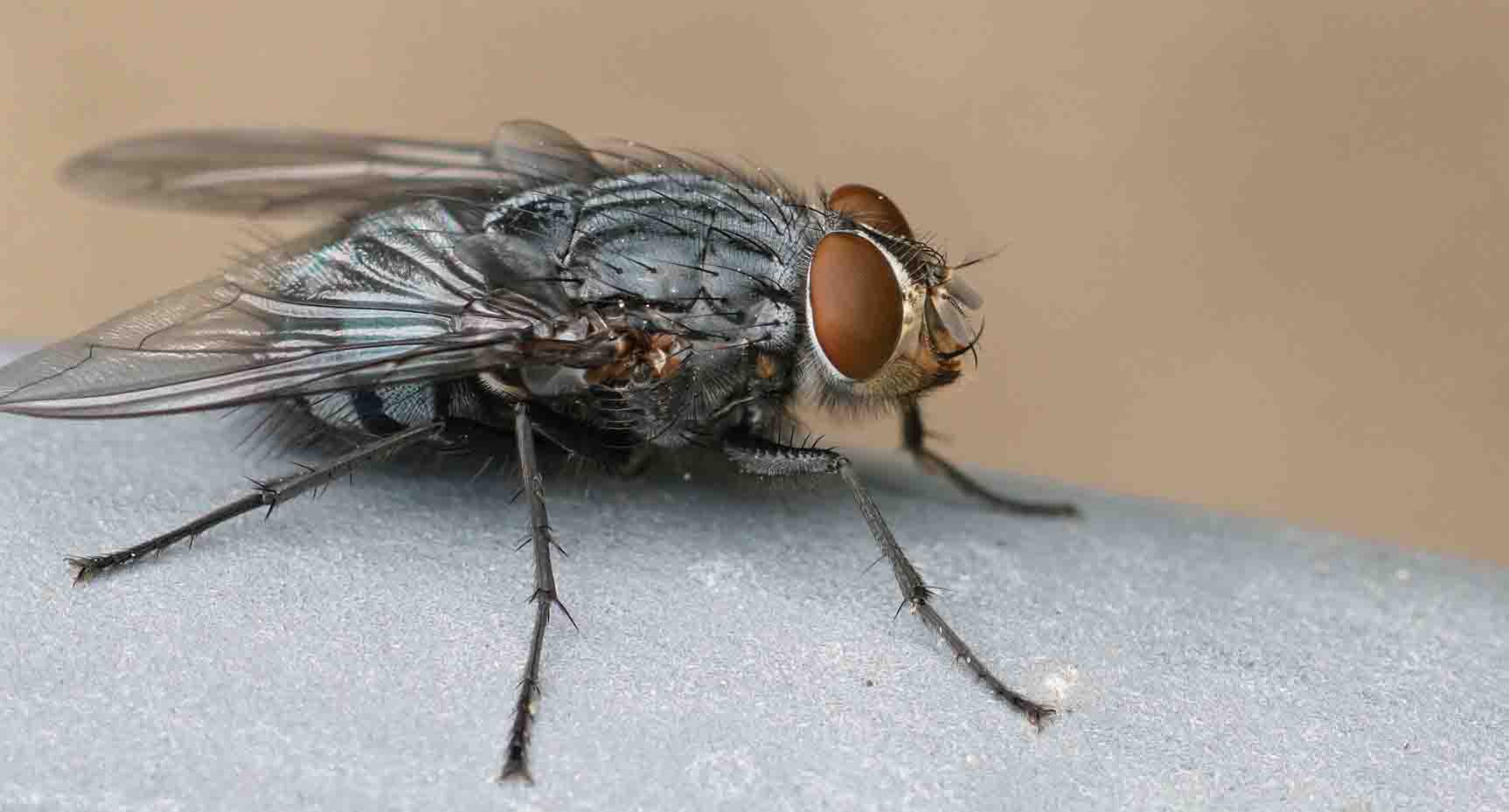
Flies
Flies are rritating pests indoors and outdoors. Spreaders of diseases and known for contaminating food and food preparation surfaces both at home and business premises.
Contamination
Flies can pick up pathogens from decaying organic matter, feces, and other unsanitary sources and then transfer these germs to human food and surfaces, leading to potential contamination.
Diseases
Flies can transmit diseases such as dysentery, cholera, typhoid fever, and E. coli, by landing on surfaces or food that humans come into contact with.
Moths
Moth infestations can be a nuisance and can cause damage to clothing, textiles, and stored food items. Moths are attracted to materials containing keratin, such as wool, silk, fur, and feathers, which serve as a food source for their larvae.
Clothes Moths
Clothes moths, in particular, can wreak havoc on closets and storage areas by consuming and damaging natural fibers in clothing and fabrics.
Pantry Moths
Pantry moths, on the other hand, contaminate stored grains, cereals, and other dry goods.
Moth Infestation
Moth infestations are often identified by the presence of silken cocoons, webbing, or holes in fabrics or food packages.
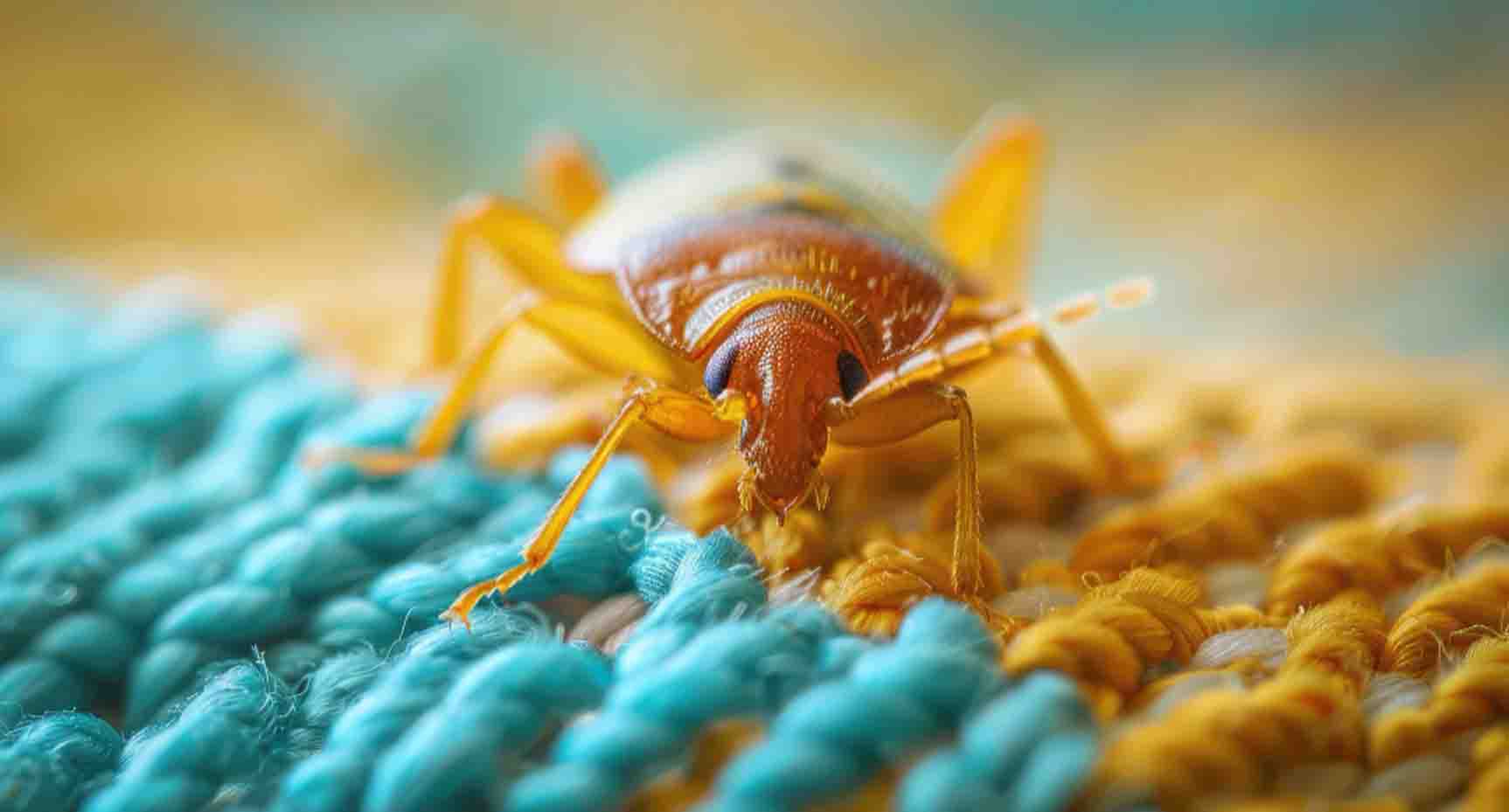
Bedbugs
Although not known to be disease spreading insects. These blood feeding pests can cause psychological effects and anxiety due to them feeding generally at night and allergic reactions to their bites ranging from areas of redness to raised blisters which can become infected.
Feed On Humans
These tiny insects feed on human blood while their hosts are sleeping, causing itchy bites that can lead to skin irritation, allergic reactions, and secondary infections from scratching.
Physcological Effects
The psychological toll of dealing with a bed bug infestation can be significant, causing stress, anxiety, and sleep disturbances in affected individuals.
Silverfish
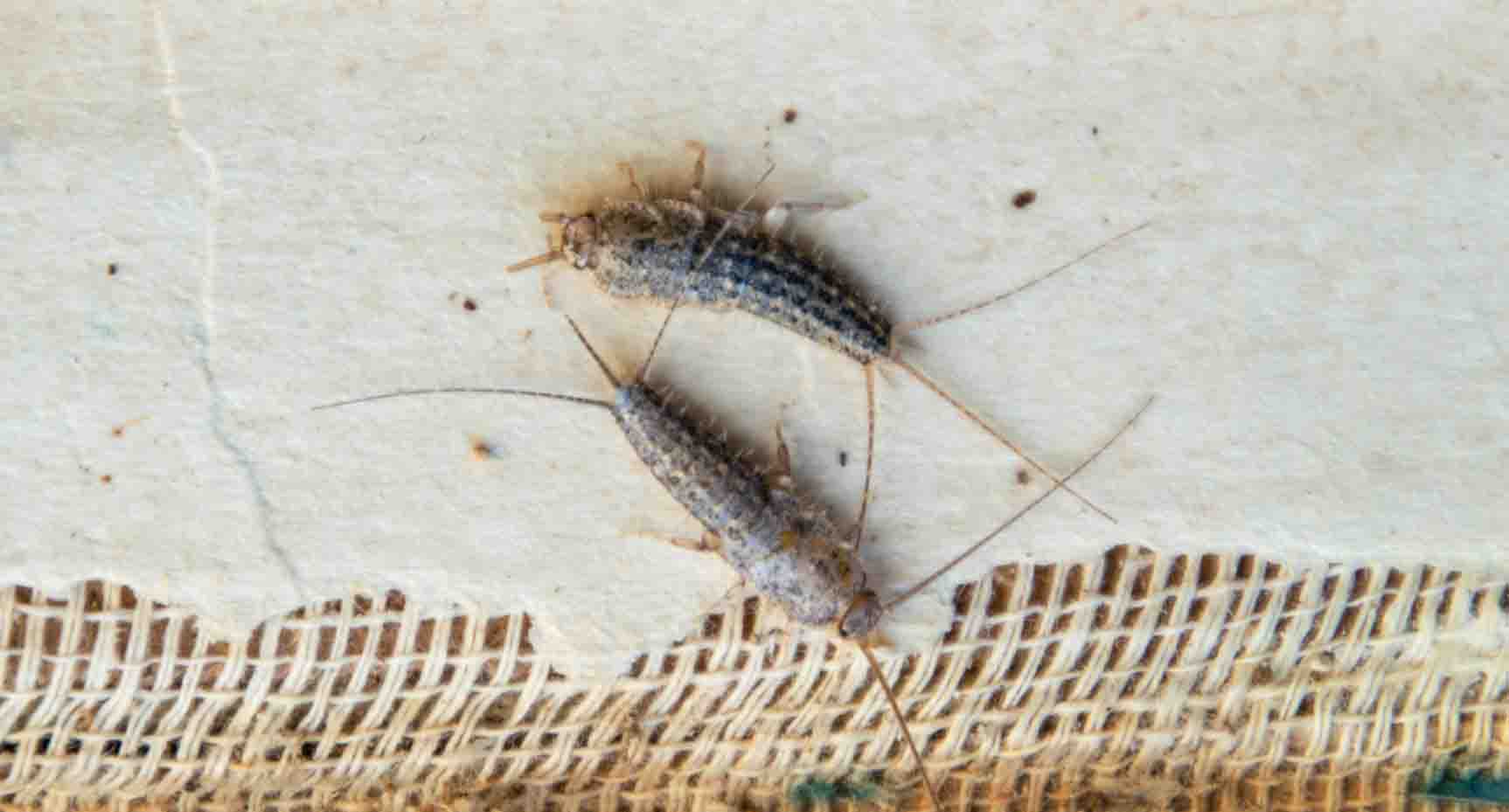
Silverfish are small, wingless insects known for their fish-like appearance and silvery scales. These nocturnal pests thrive in dark, damp environments with high humidity levels, such as bathrooms, kitchens, basements, and storage areas.
Infestations
Infestations are typically identified by the presence of their small, bristle-like shed skins, feces resembling black pepper, and nibbled holes in paper or fabrics.
See Our Other Pest Control Services…